
If You’ve Tried Everything… You’re Not Alone
I hear this all the time in practice:
“I’ve changed my diet.”
“I’ve tried to exercise.”
“I lose weight… and then it comes right back.”
At some point, it starts to feel like your body is working against you.
Here’s the truth:
Weight is not just about willpower.
It’s about biology, hormones, metabolism, stress, and sometimes… medications.
What We Actually Treat: Metabolic Health
At Catoosa Behavioral Health and Wellness Clinic, we don’t just focus on the number on the scale.
We focus on metabolic health—how your body regulates:
-
Blood sugar
-
Insulin
-
Fat storage
-
Energy use
-
Appetite and satiety
What Is Metabolic Syndrome?
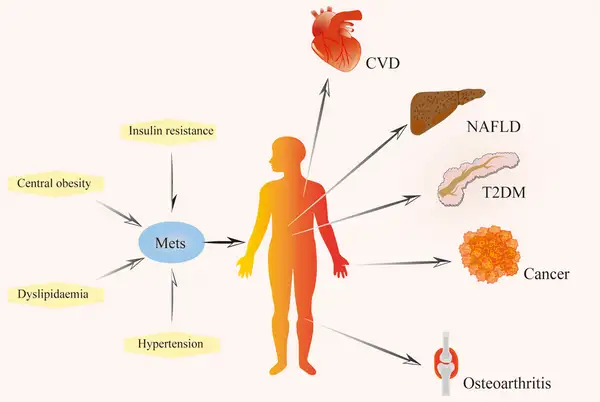
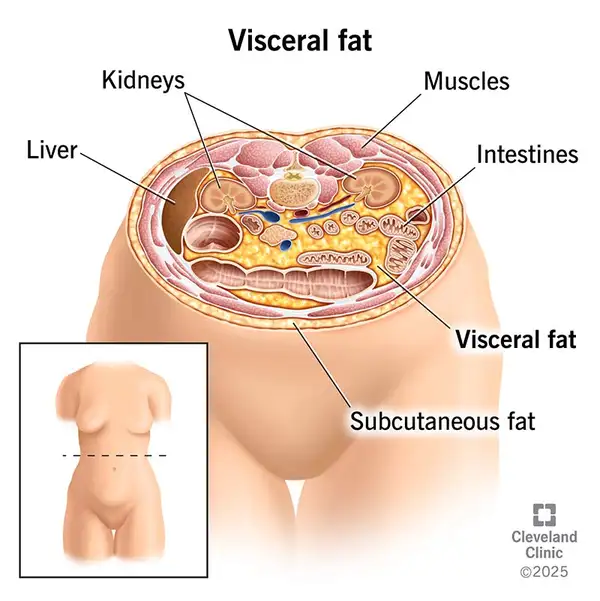
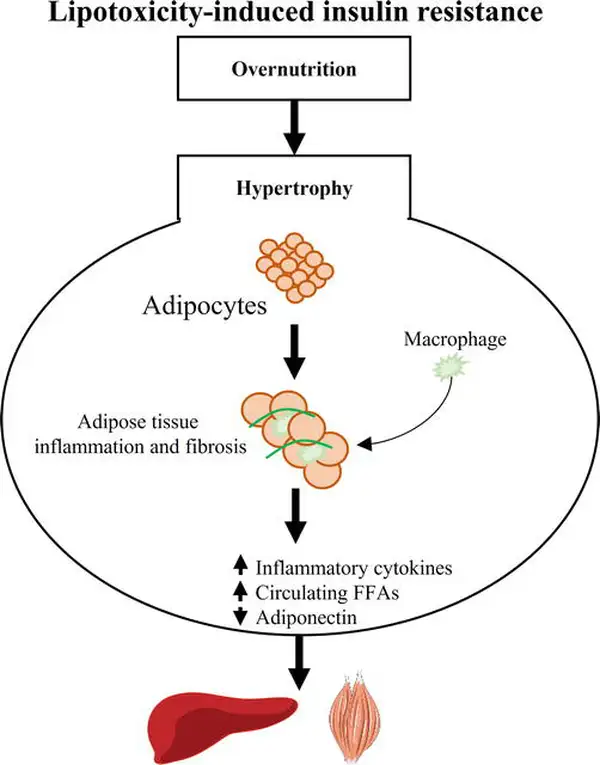
Metabolic syndrome is a cluster of conditions that tend to occur together, including:
-
Increased abdominal fat
-
Elevated blood pressure
-
High blood sugar or insulin resistance
-
Abnormal cholesterol or triglycerides
These aren’t just numbers on a lab report—they significantly increase the risk of:
-
Heart disease
-
Stroke
-
Type 2 diabetes
But more importantly, they often explain why weight loss feels so difficult.
Why Does Metabolic Dysfunction Happen?
In my experience, it’s rarely just one thing.
Common contributors include:
-
Chronic stress and elevated cortisol
-
Poor sleep or sleep apnea
-
Insulin resistance
-
Hormonal changes (especially with aging)
-
Highly processed diets
-
Sedentary lifestyle
And one that often gets overlooked…
Medications That Can Affect Weight
Some commonly prescribed medications can contribute to weight gain or metabolic changes, including:
-
Certain antidepressants
-
Antipsychotic medications
-
Mood stabilizers
-
Steroids
-
Some blood pressure or diabetes medications
This doesn’t mean these medications are “bad”—many are necessary.
But it does mean we should be asking:
👉 Is this medication working with your body—or against it?
Our Approach to Weight Management
We take a structured, individualized, and medically informed approach:
-
Comprehensive history (not just diet and exercise)
-
Review of current medications and metabolic impact
-
Targeted labs when appropriate
-
Focus on sustainable—not extreme—changes
-
Ongoing follow-up and adjustment
We’re not here to hand you a generic plan.
We’re here to understand what’s happening in your body.
GLP-1 Medications: A Powerful Tool—When Used Appropriately
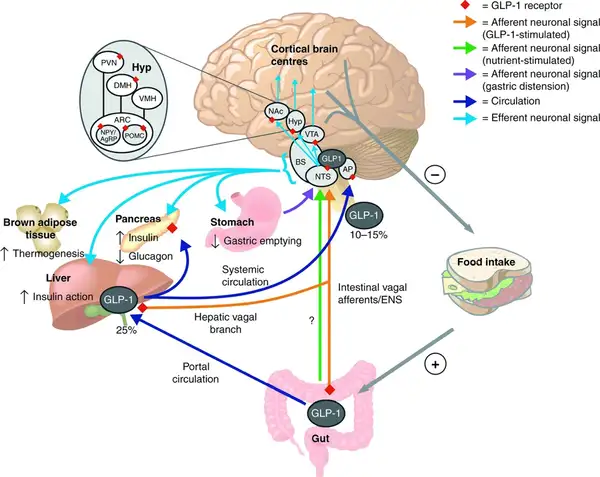
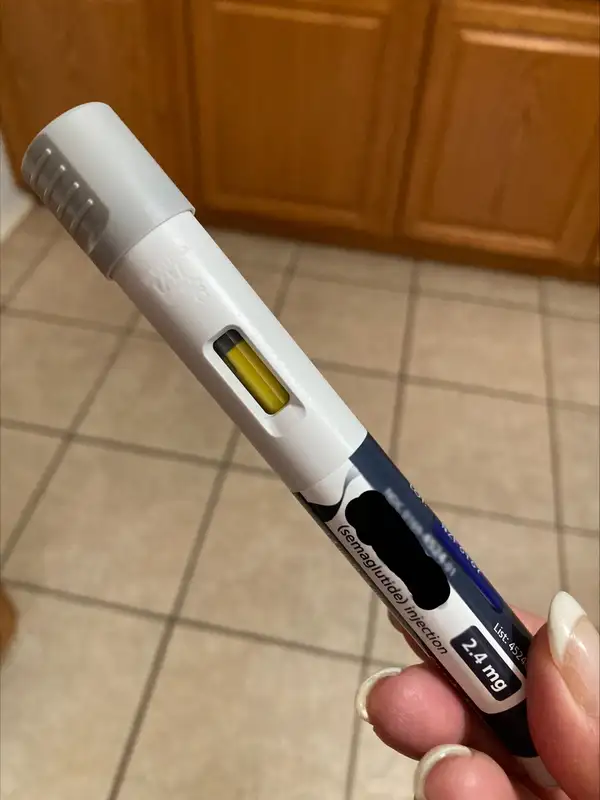
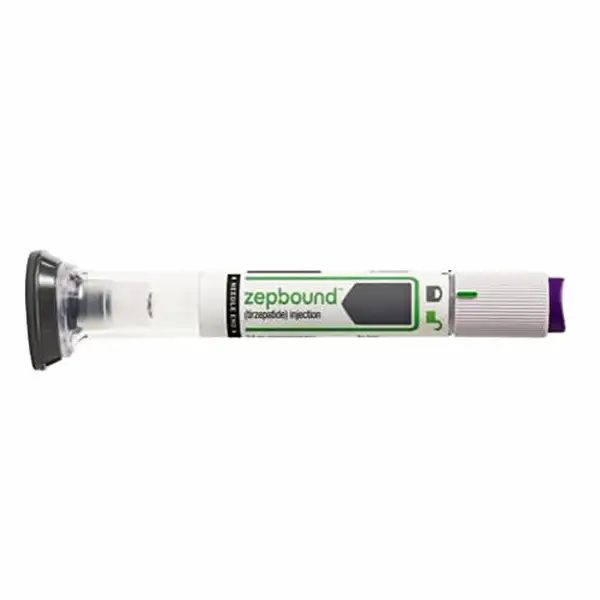
Medications like Semaglutide and Tirzepatide have changed the landscape of medical weight management.
These medications work by:
-
Reducing appetite
-
Increasing feelings of fullness
-
Slowing gastric emptying
-
Improving blood sugar regulation
For many patients, this means:
👉 Less constant hunger
👉 Better portion control
👉 More sustainable weight loss
But Let’s Be Clear…
GLP-1 medications are not magic.
They work best when:
-
Paired with lifestyle changes
-
Used with proper medical oversight
-
Integrated into a broader metabolic plan
And they are not appropriate for everyone.
Our Philosophy on Medication Use
I take a conservative, thoughtful approach:
-
Use medication when it adds value—not as a default
-
Start low, adjust carefully
-
Monitor for side effects and effectiveness
-
Always reassess: Do you still need this?
The goal is not just weight loss.
The goal is better health, better energy, and long-term sustainability.
What Makes Our Approach Different
Let’s be honest—many weight loss programs are:
-
Overly restrictive
-
Not medically informed
-
Focused on short-term results
We do things differently:
✔ Whole-person evaluation
✔ Integration of physical and mental health
✔ Realistic, sustainable planning
✔ Ongoing support—not a one-time visit
You Don’t Have to Figure This Out Alone
If you’ve struggled with weight, metabolism, or related health issues, there is a path forward—but it should make sense for you.
Not a template.
Not a trend.
Not a quick fix.
Let’s Take the Next Step
